 |
INTRODUCTION
Physiological response of Cinchona officinalis L., the Peruvian national tree, inoculated with native arbuscular mycorrhizal fungi under nursery conditions in the Amazon rainforest
Respuesta fisiológica de Cinchona officinalis L., el árbol nacional del Perú, inoculado con hongos micorrícicos arbusculares nativos en condiciones de vivero en la selva amazónica
Marly Guelac-Santillan1*; Angel F. Huaman-Pilco2; Jhon A. Zabaleta-Santisteban2; Raúl Vargas2; Mike A. Corazon-Guivin3; Fátima E. Marcelo-Bazán4; Tito Sanchez Santillan1
1 Instituto de Investigaciones de la Amazonía Peruana, Av. Abelardo Quiñones km 2.5 Iquitos-Loreto, Perú.
2 Instituto de Investigación para el Desarrollo Sustentable de Ceja de Selva (INDES-CES), Universidad Nacional Toribio Rodríguez de Mendoza de Amazonas, Chachapoyas 01001, Perú.
3 Instituto Nacional de Innovación Agraria (INIA), Estación Experimental Agraria Baños del Inca, Cajamarca, Perú.
4 Laboratorio de Biología y Genética Molecular, Universidad Nacional de San Martín, Jr. Amorarca N 315, Morales 22201, Perú.
* Autor corresponsal: marly.guelac@gmail.com (M. Guelac-Santillan).
ORCID de los autores:
M. Guelac-Santillan: https://orcid.org/0000-0002-0824-3520 J. A. Zabaleta-Santisteban: https://orcid.org/0000-0002-1300-8090
A. F. Huaman-Pilco: https://orcid.org/0000-0001-8293-1658 R. Vargas: https://orcid.org/0000-0002-4247-0188
M. A. Corazon-Guivin: https://orcid.org/0000-0001-6027-4255 F. E. Marcelo-Bazán: https://orcid.org/0000-0002-6340-3670
T. Sanchez Santillan: https://orcid.org/0000-0002-3352-341X
ABSTRACT
This study evaluated the agronomic response of Cinchona officinalis L. to inoculation with native arbuscular mycorrhizal fungi (AMF) under nursery conditions in the province of Condorcanqui, Amazonas, at 315 m.a.s.l., an unusually low elevation for a species typically found between 1000 and 3000 m.a.s.l. The main objective was to assess the physiological response of C. officinalis to AMF inoculation in lowland conditions. A completely randomized design was implemented, including five native AMF consortia and one non-inoculated control. Growth and symbiotic parameters such as plant height, dry biomass, mycorrhizal colonization, and spore diversity were measured. Results showed that inoculation with AMF consortia from San Jerónimo and Yambrasbamba significantly enhanced plant growth and symbiosis, indicating a positive effect on early development. These findings suggest that AMF play a key role in facilitating early establishment and seedling performance under low-elevation nursery conditions. This is one of the first reports demonstrating the potential of using native AMF to promote the successful propagation of this important forest species outside its natural altitudinal range, offering a sustainable strategy for conservation and restoration efforts in the Peruvian Amazon.
Keywords: Altitude; Cinchona; mycorrhizae; adaptation; lowland rainforest.
RESUMEN
Este estudio evaluó la respuesta agronómica de Cinchona officinalis L. a la inoculación con hongos micorrícicos arbusculares (HMA) nativos en condiciones de vivero en la provincia de Condorcanqui, Amazonas, a 315 m s. n. m., una elevación inusualmente baja para una especie que normalmente se encuentra entre 1000 y 3000 m s. n. m. El objetivo principal fue evaluar la respuesta fisiológica de C. officinalis a la inoculación con HMA en condiciones de tierras bajas. Se implementó un diseño completamente aleatorio, que incluyó cinco consorcios de HMA nativos y un control sin inocular. Se midieron parámetros de crecimiento y simbiosis como la altura de la planta, la biomasa seca, la colonización micorrícica y la diversidad de esporas. Los resultados mostraron que la inoculación con consorcios de HMA de San Jerónimo y Yambrasbamba mejoró significativamente el crecimiento y la simbiosis de la planta, lo que indica un efecto positivo en el desarrollo temprano. Estos hallazgos sugieren que los HMA desempeñan un papel clave para facilitar el establecimiento temprano y el desempeño de las plántulas en condiciones de vivero de baja elevación. Este es uno de los primeros informes que demuestran el potencial del uso de hongos micorrícicos arbusculares (HMA) nativos para promover la propagación exitosa de esta importante especie forestal fuera de su rango altitudinal natural, ofreciendo una estrategia sostenible para los esfuerzos de conservación y restauración en la Amazonía peruana.
Palabras clave: Altitude; Cinchona; mycorrhizae; adaptation; lowland rainforest.
Recibido: 22-09-2025.
Aceptado: 28-03-2026.
|
INTRODUCTION
Cinchona officinalis L., usually referred to as quina or cascarilla, is a significant forest plant within the Rubiaceae family, renowned for its medical effects attributed to quinine. This alkaloid was initially identified in Peru, where indigenous populations utilized it to alleviate fevers long before its qualities were properly acknowledged (Jaramillo, 1949). Quinine's application as a principal treatment for malaria subsequently disseminated to other tropical areas, notably Africa, Asia, and Latin America, where it significantly contributed to the fight against the disease throughout the colonial period (Albán et al., 2020; Eras et al., 2019). This plant serves as a national emblem of Peru and is naturally found in elevated Andean regions (Apolo, 2012; Brako & Zarucchi, 1993), at altitudes ranging from 1000 to 3000 m.a.s.l, particularly in the Cajamarca and Piura regions (Arbizu et al., 2021; Huamán et al., 2019). Nonetheless, beyond its native environment, C. officinalis L. encounters propagation difficulties, especially in nursery settings, attributed to diminished survival rates and elevated seedling mortality. In this regard, alternative ways are being investigated to improve its early development.
A proficient approach to augment the dissemination and initial growth of forest tree species, notably the quina tree (C. officinalis L.), is the utilization of arbuscular mycorrhizal fungi (AMF), symbiotic microorganisms that associate with plant roots and markedly enhance water and nutrient absorption (Fernandez et al., 2022). This mutualistic relationship not only promotes plant growth but also increases stress tolerance under adverse environmental conditions such as drought and soil salinity (Begum et al., 2019). AMF enhances root development by increasing the root surface area, which is essential in nutrient-deficient or water-scarce soils. Furthermore, by improving soil structure and root efficacy, AMF enhances soil aggregation, hence allowing root penetration and augmenting overall plant health (Fernandez et al., 2024). These advantages result in more robust individuals with enhanced growth potential, establishing AMF as strategic partners in the conservation and sustainable propagation of C. officinalis L. (Sarsaiya et al., 2025). Their beneficial influence also encompasses other forest species, as arbuscular mycorrhizal fungi (AMF) bolster seedling resistance in damaged or harsh situations by augmenting resource acquisition efficiency (Bhardwaj et al., 2014; Birhane et al., 2023; Bustamante et al., 2022). At the community level, arbuscular mycorrhizal fungi (AMF) have demonstrated an enhancement in plant production, particularly in high-density plant assemblages (Asmelash et al., 2016). In this context, including AMF into ecological restoration initiatives is a crucial method to facilitate the establishment and long-term viability of C. officinalis L. and other indigenous forest species in fragile or degraded habitats.
Numerous studies have shown that inoculation with both commercial and indigenous mycorrhizae enhance germination and growth in C. officinalis L. (Fernandez et al., 2024; Gomez et al., 2018; Pang et al., 2024). Moreover, many mycorrhizal consortia, in conjunction with chemical fertilizers, have demonstrated a substantial improvement in plant development (Sánchez et al., 2024). Recent research indicates favorable vegetative performance of C. officinalis L. at elevations over 500 m.a.s.l when inoculated with mycorrhizae (Fernández et al., 2024 & Sánchez et al., 2024). The findings indicate that, with appropriate mycorrhizal inoculation, C. officinalis L. may prosper at lower altitudes, potentially broadening its spread. This may hold substantial importance for conservation and ecological restoration initiatives. Nevertheless, despite these encouraging findings, there is little scientific record concerning its efficacy at altitudes lower than those examined.
This study, for the first time, assessed the impact of indigenous arbuscular mycorrhizal fungi (AMF) on C. officinalis L. seedlings in nursery circumstances inside the Condorcanqui province, Amazonas department, at an altitude of 315 m.a.s.l., which is beyond its natural range. Various growth variables, root colonization, and the composition of mycorrhizal consortia collected from five locations were analyzed. The findings indicate the adaptability of C. officinalis L. in the lowland rainforest, underscoring the potential of AMF to facilitate its growth. These discoveries are essential for the sustainable management and protection of the species, facilitating its growth into new biological regions.
METHODOLOGY
Study area and seed collection
The map delineates the sites of collection and experimentation situated in the Amazonas region of Peru. The study was performed at the Experimental Station of the Instituto de Investigaciones de la Amazonía Peruana (IIAP) in Nuevo Sesami, Condorcanqui region, northwestern Peru, at an elevation of 315 m.a.s.l., under regulated nursery conditions (24 °C and 36% relative humidity). AMF were gathered from five Andean sites in the Amazonas region, situated at altitudes between 1500 to 3100 m.a.s.l.: Conila (CON), San Jerónimo (SJ), Rodríguez de Mendoza–Omia (RDM), Yambrasbamba–El Progreso (YAM), and Leymebamba–Los Chilchos (LEY) (Figure 1). Additionally, C. officinalis L. seeds were collected in San Jerónimo (2600 m.a.s.l.). from physiologically mature fruits, identified by their reddish color and signs of dehiscence. The fruits were plucked with telescopic shears and desiccated at ambient temperature in the IIAP laboratory. The seeds were ultimately cleaned and readied for sexual multiplication in the nursery.
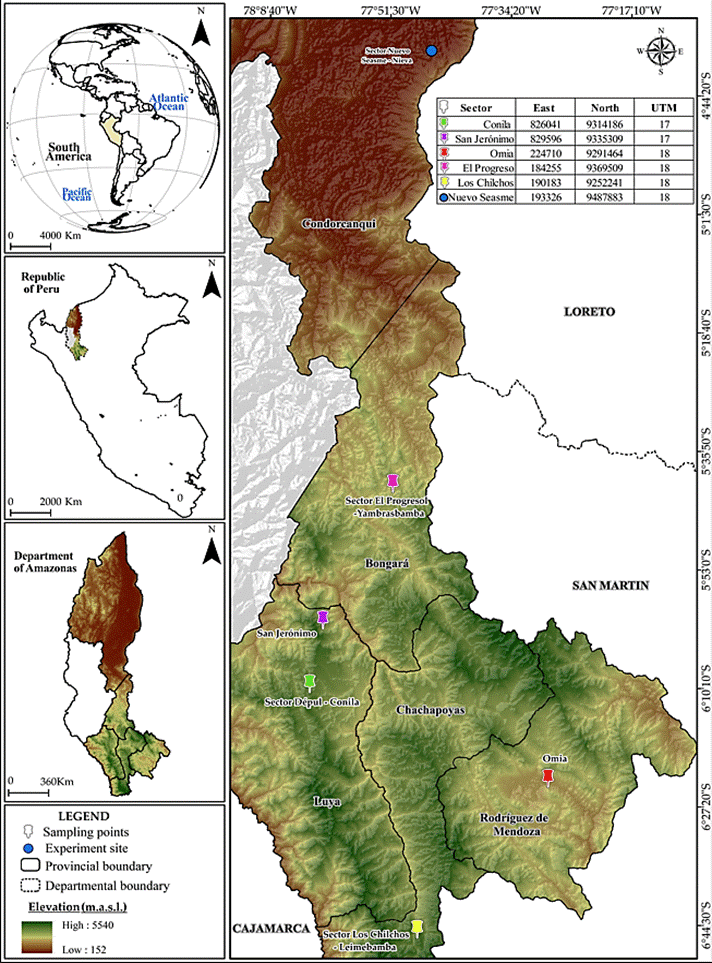
Figure 1. Map of the Seed and Arbuscular Mycorrhizal Fungi (AMF) Collection Sites, and the Location of the Experimental Study.
Propagation of arbuscular mycorrhizal fungi (amf)
For propagation, the AMF inocula was moved to the nursery. Sterilized sand was mixed with each rhizospheric soil sample in a 1:2 (soil/sand) ratio to enhance aeration and establish ideal conditions for the growth of mycorrhizal structures. The mixture was put in 40 x 40 x 30 cm wooden boxes with plastic lining.
One hundred Zea mays seeds were sown on this substrate for each mycorrhizal consortia, utilizing this species as a trap plant because of its strong affinity for arbuscular mycorrhizal fungi (AMF). The cultivation method facilitated the active development of spores and fungal structures within the substrate. This process adhered to the methodology developed from (Corazon et al., 2019; Sánchez et al., 2024), ensuring effective inoculum propagation for following experimental applica-tions.
Transplantation and inoculation
A supplementary substrate obtained from Nuevo Seasmi (Condorcanqui, Amazonas) underwent hot water thermodisinfection, utilizing water heated to 100 °C (Cuellas et al., 2019) as a natural technique to diminish microbial load. This approach considerably reduced the number of harmful microorganisms without substantially modifying the physicochemical features of the soil, rendering it appropriate for seedling production in nursery circumstances (Rica, 2004). The modified substrate was subsequently air-dried until it became a powdery consistency, appropriate for application under regulated propagation circumstances. This material was utilized to fill 5 x 8 inch polyethylene bags, which functioned as cultivation units for transplanting seedlings. During the transplantation process, 50 grams of arbuscular mycorrhizal fungi (AMF) were infected per C. officinalis L. plant, ensuring direct contact with the root system. Water was administered to the substrate to sustain ideal moisture levels, hence facilitating initial mycorrhizal colonization.
Assessment of biometrics variables
For the biometric variables, plant height, stem diameter, dry matter of leaves and roots, leaf area, number of roots, and root system length were included. Additionally, growth rate and survival percentage were considered as indicators of vegetative performance. Regarding fungal variables, mycorrhizal colonization percentage and extraradical mycelium length were assessed.
Plant height was measured every 15 days using a graduated ruler, and stem diameter was recorded at the collar region using a digital caliper. Dry matter was obtained by drying roots, stems, and leaves at 60 °C for 72 hours, and leaf area was estimated using ImageJ software, with a 2.5 cm coin as a reference scale. At the end of the trial, primary and secondary roots were counted and measured. Growth rate was calculated using the formula Tc = (Hf - Hi)/(Tf - Ti), and survival was determined through biweekly evaluations, expressed as a percentage using the formula Survival (%) = (Pv/N) × 100, as described by Sánchez et al. (2022). (Tc/ Growth rate, expressed in cm/day, Hf: Final height, Hi: Initial height, Tf: Final time y Ti: Initial time) (Surv.: Survival, Lv: Living plants, N: Total number of plants established per treatment).
Assessment of fungal variables
The roots were prepared for mycorrhizal colonization evaluation following a methodology adapted from (Phillips & Hayman, 1970), with modifications developed by the Instituto de Investigaciones de la Amazonía Peruana (IIAP) (Sánchez et al., 2024). The roots were first immersed in a 10% KOH solution for 12 hours, then subjected to a 40-minute treatment in a water bath at 40 °C.
The samples were subsequently rinsed with hydrogen peroxide for clarification and stained with trypan blue in a freshwater bath. The stained roots were divided into 1 cm segments and placed on slides for examination under an optical microscope at a magnification of 100x. The percentage of mycorrhizal colonization was determined using the formula established by Trouvelot et al. (1986).
Extraradical mycelium quantification was performed following the protocol described by (Robles, 2009) adapted by the IIAP. For this, 1 g of rhizospheric soil was mixed with 3% vinegar and blue ink (Pelikan) and then incorporated into a 0.6% agar-agar solution. This mixture was maintained in a water bath for 60 minutes and poured into Petri dishes marked with 0.5 cm² quadrants. Observation was carried out using a stereoscope (3x) to record hyphal intersections, which were then converted to centimeters using Newman's formula (1966).
The morphological characterization of arbuscular mycorrhizal fungi (AMF) was carried out by isolating spores using the wet sieving and decantation method described by Gerdemann & Nicolson (1963).
Ten grams of soil were processed by agitation in water and filtered through 250 µm and 38 µm sieves. The retained fraction was subjected to centrifugation with an 80% sucrose solution at 4500 rpm for 5 minutes. The recovered spores were treated with PLG and PVL + Melzer reagents and subsequently mounted on slides for morphological identification. Taxonomic classifica-tion was carried out following the criteria of (Pérez & Schenck, 1990), in accordance with the guidelines of the International Culture Collection of (Vesicular) Arbuscular Mycorrhizal Fungi (INVAM) manual.
Statistical analysis
The biometric variables and vegetative perfor-mance were subjected to analysis of variance (ANOVA) after checking the assumptions of normality using the Shapiro-Wilk test and homogeneity of variances using Levene's test. A multiple comparison using Tukey's test was then performed, with a significance level of 5%. All statistical analyses were conducted using the InfoStat software, version 2020.
RESULTS AND DISCUSSION
Effect of native arbuscular mycorrhizal fungi on biometric traits of C. officinalis
Analysis of variance (ANOVA) revealed highly significant differences (p < 0.01) among treatments for all evaluated biometric variables, demonstrating the positive effect of native arbuscular mycorrhizal fungi (AMF) on the early development of C. officinalis seedlings (Table 1). According to Tukey’s test (5%), the San Jerónimo consortium (SJ) showed the best overall performance, reaching the highest values for plant height (10.1 cm), stem diameter (0.31 cm), leaf dry mass (387.4 mg), root dry mass (59.6 mg), leaf area (41.2 cm²), total root length (15.4 cm), and growth rate (0.043 cm day⁻¹). Similarly, the Yambras-bamba consortium (YAM) significantly improved several growth parameters compared to the non-inoculated control.
The growth curve showed that inoculated seed-lings exhibited accelerated growth after 75 days of evaluation, particularly in treatments SJ and YAM, whereas the control treatment maintained the lowest growth throughout the experimental period (Figure 2). These results suggest that native AMF improve nutrient acquisition and root function-nality, promoting greater vegetative development under nursery conditions at low altitude.
The positive effects observed in SJ and YAM treat-ments may be associated with greater functional compatibility between the AMF consortia and C. officinalis. Similar responses were reported by Fernández et al. (2022) and Fernández et al. (2024), who observed enhanced growth of C. officinalis inoculated with native AMF, especially species belonging to the genus Glomus. In addition, Sánchez et al. (2024) demonstrated that native mycorrhizal consortia can significantly improve vegetative performance in nursery conditions. These findings reinforce the importance of AMF as sustainable bioinoculants for the propagation and early establishment of forest species.
Figure 3 also illustrates the visual differences between inoculated and non-inoculated seedlings, where inoculated plants exhibited greater vigor and root development. This response may be related to improved water and nutrient uptake mediated by the mycorrhizal symbiosis.
Mycorrhizal colonization and extraradical mycelium development
Significant differences (p < 0.05) were observed in mycorrhizal colonization percentage and extrara-dical mycelium length among AMF treatments (Figure 4). The SJ consortium reached the highest colonization percentage (59.33%), followed by RDM (51.33%). In contrast, CON, YAM, and LEY showed lower colonization percentages.
Regarding extraradical mycelium length, the highest values were recorded in CON and YAM, with averages of 120.46 cm, followed by RDM and LEY. These findings indicate that the effectiveness of AMF is not exclusively related to colonization percentage, since some treatments with high mycelial development did not necessarily produce the greatest plant growth responses.
This suggests that functional compatibility bet-ween the fungal consortium and the host plant may play a more important role than colonization inten-sity alone. Similar observations were reported by Sánchez et al. (2019) and Vallejos et al. (2022), who indicated that plant response depends on the ecological and functional characteristics of the AMF species involved in the symbiosis. Therefore, selecting native consortia adapted to local environmental conditions may be essential for improving seedling performance.
Table 1
ANOVA and Tukey's test (5%) for the biometric variables of quina inoculated with native mycorrhizae
|
Treatment |
Biometríc traits of quina |
|||||||
|
H (cm) |
D (cm) |
LDM (mg) |
RDM (mg) |
LA (cm2) |
NR |
TRL (cm) |
GR (cm/día) |
|
|
Control |
6.4f |
0.10c |
24.4f |
9.4c |
7.5d |
6.7c |
7.1f |
0.012c |
|
RDM |
7.9e |
0.27b |
114.9e |
42.4b |
26.8c |
13.3a |
13.8b |
0.024bc |
|
YAM |
9.5b |
0.28b |
202.1b |
57. 6a |
34.9b |
13.0a |
10.6d |
0.038ab |
|
LEY |
8.8d |
0.26b |
144.6d |
42.5b |
26.6c |
9.3b |
8.9e |
0.032ab |
|
SJ |
10.1a |
0.31a |
387.4a |
59.6a |
41.2a |
13.7a |
15.4a |
0.043a |
|
CON |
9.3c |
0.26b |
163.0c |
59.5a |
30.1bc |
9.3b |
11.6c |
0.036ab |
|
P-value |
0.0001** |
0.0001** |
0.0001** |
0.0014** |
0.0061** |
0.0002** |
0.0001** |
0.0001** |
Note. H: plant height; ST: stem diameter; LDM: leaf dry mass; RDM: root dry mass; LA: leaf area; NR: number of roots; TRL: total root length; GR: growth rate. Means followed by the same letter within a column do not differ significantly according to Tukey’s test (5%). Highly significant: p-value < 0.001(**).
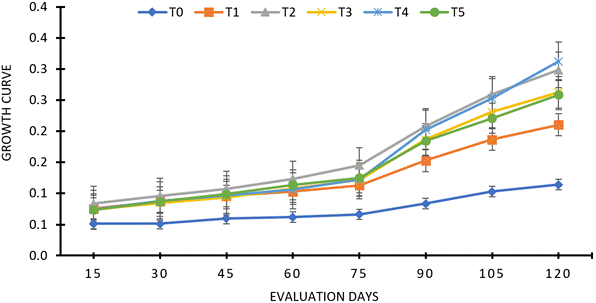
Figure 2. Shows that Cinchona officinalis seedlings inoculated with native arbuscular mycorrhizal fungi presented greater growth compared to the control treatment, especially after 75 days of evaluation. Error bars indicate data variability around the mean, demonstrating the consistency and reliability of the observed responses among treatments.
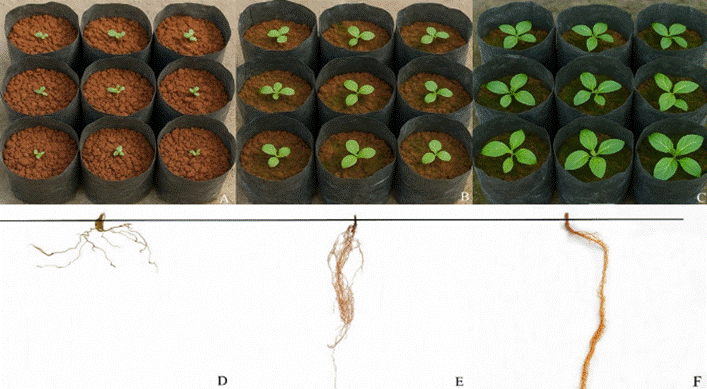
Figure 3. Quina Plants and Root Inoculated with Mycorrhizae. A) Control, B) and C) Inoculated; D) Control, E) and F) Inoculated. These results indicate that inoculation with native AM fungi significantly improves the adaptability and initial performance of C. officinalis L. even at altitudes lower than its natural ecological range.
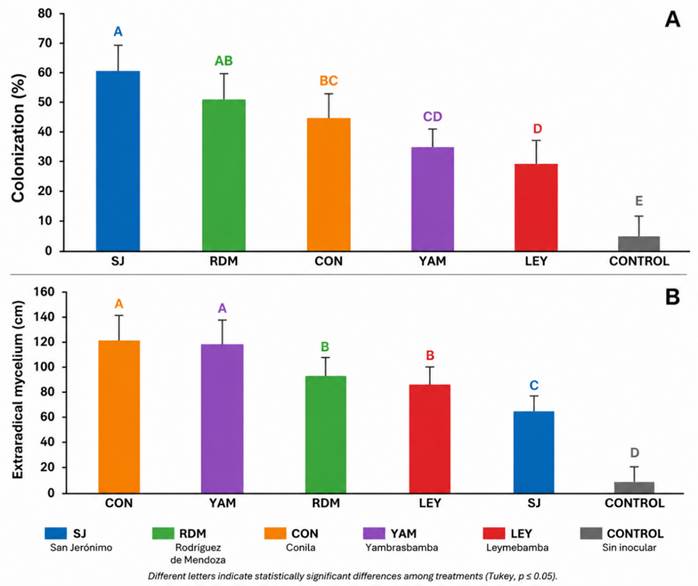
Figure 4. Tukey's Post-hoc Test (5%), A) Percentage of Colonization, B) Extraradical Mycelium Length Present in Quina Seedlings. Different letters indicate significant differences (Tukey, α = 0.05).
Correlation between fungal and biometric variables
The correlation analysis showed positive associa-tions between fungal variables and biometric traits of C. officinalis seedlings (Table 2). The percentage of colonization and root dry mass exhibited the highest correlation values (0.72 –0.86), indicating a strong relationship between AMF colonization and plant development. Likewise, root length and number of roots showed moderate positive correlations with plant height, stem diameter, and leaf area.
Extraradical mycelium length also showed positive correlations with biometric variables, although with lower magnitude (0.46 – 0.69). These findings support the hypothesis that AMF contributes directly to nutrient uptake efficiency and root development, resulting in improved physiological performance of seedlings under nursery conditions.
The positive associations observed in this study are consistent with previous reports indicating that AMF improves water and nutrient absorp-tion, especially under nutrient-limited conditions (Begum et al., 2019; Asmelash et al., 2016). Therefore, mycorrhizal symbiosis may represent an important strategy to enhance the early establishment of C. officinalis in restoration and conservation programs.
Morphological diversity of arbuscular mycorrhizal fungi
The morphological characterization of AMF spores revealed considerable diversity among the evaluated consortia (Figure 5). The SJ consortium presented the highest richness, with 12 morphotypes, predominantly belonging to the genera Acaulospora and Glomus. Yambrasbamba and Conila also showed notable diversity, while Leymebamba exhibited the lowest number of morphotypes.
The predominance of Glomus and Acaulospora agrees with previous studies describing these genera as common and widely distributed AMF in tropical and forest ecosystems. The presence of diverse AMF morphotypes may contribute to greater functional diversity within the rhizos-phere, potentially improving plant adaptation to stressful environmental conditions.
Although the present study did not specifically evaluate ecological gradients, the observed diffe-rences among consortia may suggest that altitude and local environmental conditions influence AMF composition and diversity. This variability could partially explain the differential responses observed among inoculated treatments.
Table 2
Correlation analysis with morphometric and fungal variables
|
CORRELATION |
H |
SD |
LDM |
LA |
|
|
|
TR |
0,61 |
0,75 |
0,73 |
0,66 |
|
Biometric |
NR |
0,56 |
0,69 |
0,53 |
0,63 |
|
|
MSR |
0,84 |
0,80 |
0,64 |
0,76 |
|
Fungal |
PC |
0,75 |
0,86 |
0,72 |
0,76 |
|
EML |
0,61 |
0,68 |
0,69 |
0,46 |
|
Note. A: Height; SD: Stem Diameter; T.R: Root Size; N.R: Number of Roots; A.F: Leaf Area; M.S.F: Leaf Dry Matter; M.S.R: Root Dry Matter; P.C: Percentage of Colonization; L.M.E: Extraradical Mycelium Length.
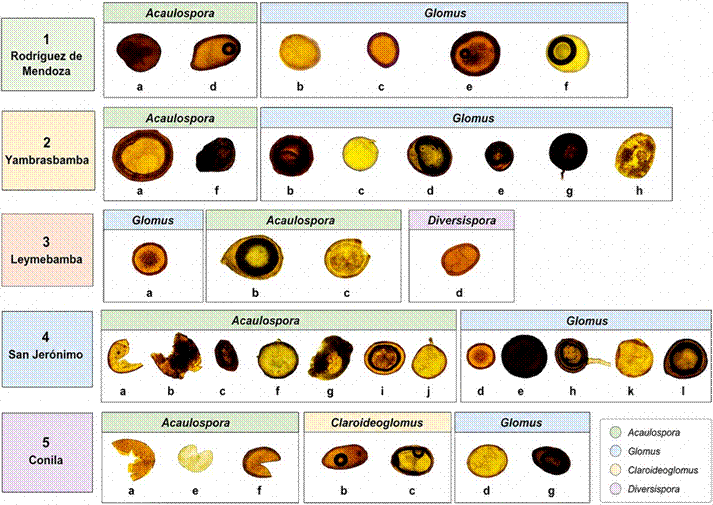
Figure 5. Arbuscular mycorrhizal fungal spores identified in five localities of the Amazonas region: Rodríguez de Mendoza, Yambrasbamba, Leymebamba, San Jerónimo, and Conila. The spores were grouped according to morphological characteristics corresponding to the genera Acaulospora, Glomus, Claroideoglomus, and Diversispora. The letters (a, b, c, …) represent different morphotypes observed in each locality.
Soil properties and their relationship with seedling performance
The soil used in the experiment presented acidic conditions (pH 5.55), low available phosphorus content (0.20 ppm), and low base saturation, characteristics commonly associated with nutrient limitations for plant growth. However, inoculated seedlings showed satisfactory development despite these edaphic restrictions. The positive response observed in inoculated treatments suggests that native AMF improved nutrient acquisition efficiency, particularly phosphorus uptake, under acidic soil conditions. Similar findings were reported by Fernandez et al. (2022), who demonstrated that AMF enhances the growth of C. officinalis under low-fertility soils. Additionally, the sandy clay loam texture and moderate organic matter content may have favored root growth and soil aeration, facilitating the establishment of the mycorrhizal symbiosis. These results highlight the potential application of native AMF as biofertilizers for the propa-gation and conservation of C. officinalis under nursery conditions.
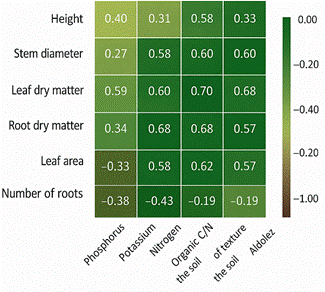
Figure 6. The Correlation Graph Between the Biometric Properties of C. officinalis L. and the Physicochemical Characteristics.
CONCLUSIONS
This study provides the first evidence that Cinchona officinalis L. showed improved early growth and physiological performance under low-altitude nursery conditions (315 m.a.s.l.) through inoculation with native arbuscular mycorrhizal fungi (AMF). The symbiotic association enhanced plant growth and physiological performance, highlighting its potential for use in ecological restoration programs and nursery propagation in similar environments. It is recommended to consider the altitudinal origin of the mycorrhizal consortia, as this influences the effectiveness of the symbiosis and, consequently, the adaptability of the species.
Future studies should evaluate the long-term performance of Cinchona officinalis inoculated with native AMF under field conditions and in ecological restoration programs in degraded Amazonian ecosystems. Additionally, molecular characterization of the most efficient mycorrhizal consortia could contribute to the development of sustainable bioinoculants for the conservation and large-scale propagation of this emblematic Peruvian species.
AUTHOR CONTRIBUTIONS
DATA AVAILABILITY
The data used to support the findings of this study are available from the corresponding author upon request.
CONFLICTS OF INTEREST
The authors declare that there are no conflicts of interest.
FUNDING STATEMENT
This research was funded by the National Fund for Scientific, Technological and Technological Innovation Development (FONDECYT), through the National Council for Science, Technology and Technological Innovation (CONCYTEC), under the Applied Research and Technological Development Projects Call 2021-02 [Contract No. 103-2021-FONDECYT].
ACKNOWLEDGMENTS
The authors thank the National Fund for Scientific, Technological and Technological Innovation Development (FONDECYT) and the Institute for Research on the Peruvian Amazon (IIAP) for their support in carrying out this study. They also acknowledge Ariel Chichipe Puscan and Nixon Nakagawa Valverde for their valuable contributions. The authors are also grateful to the campesino communities of San Jerónimo, Yambrasbamba, Conila, and Leymebamba for granting access to the forest areas, as well as to the National Forest and Wildlife Service of Peru (SERFOR) for authorizing the research activities under permit No. AUT-IFL-2021-035.
REFERENCIAS BIBLIOGRÁFICAS
Albán, J., Chilquillo, E., Melchor-Castro, B., Arakaki, M., León, B., & Suni, M. (2020). Cinchona L. “Quina tree”: Repopulation and reforestation in Peru. Revista Peruana de Biología, 27(3), 423–426. https://doi.org/10.15381/rpb.v27i3.18697
Alvar Beltrán, J., Dao, A., Marta, A. D., Saturnin, C., Casini, P., Sanou, J., & Orlandini, S. (2019). Effect of drought, nitrogen fertilization, temperature, and photoperiodicity on quinoa plant growth and development in the Sahel. Agronomy, 9(10), 607. https://doi.org/10.3390/agronomy9100607
Apolo, M. (2012). Germinación en laboratorio e influencia de los hongos micorrízicos y la aplicación de nutrientes [Tesis de pregrado, Universidad Nacional de Loja].
Arbizu, C. I., Ferro-Mauricio, R. D., Chávez-Galarza, J. C., Guerrero-Abad, J. C., Vásquez, H. V., & Maicelo, J. L. (2021). The complete chloroplast genome of the national tree of Peru, quina (Cinchona officinalis L., Rubiaceae). Mitochondrial DNA Part B, 6(10), 2781–2783. https://doi.org/10.1080/23802359.2021.1969697
Asmelash, F., Bekele, T., & Birhane, E. (2016). The potential role of arbuscular mycorrhizal fungi in the restoration of degraded lands. Frontiers in Microbiology, 7, Article 1095. https://doi.org/10.3389/fmicb.2016.01095
Begum, N., Qin, C., Ahanger, M. A., Raza, S., Khan, M. I., Ashraf, M., Ahmed, N., & Zhang, L. (2019). Role of arbuscular mycorrhizal fungi in plant growth regulation: Implications in abiotic stress tolerance. Frontiers in Plant Science, 10, Article 1068. https://doi.org/10.3389/fpls.2019.01068
Bhardwaj, D., Ansari, M. W., Sahoo, R. K., & Tuteja, N. (2014). Biofertilizers function as key players in sustainable agriculture by improving soil fertility, plant tolerance and crop productivity. Microbial Cell Factories, 13, Article 66. https://doi.org/10.1186/1475-2859-13-66
Birhane, E., Bongers, F., Damtew, A., Tesfay, A., Norgrove, L., & Kuyper, T. W. (2023). Arbuscular mycorrhizal fungi improve nutrient status of Commiphora myrrha seedlings under drought. Journal of Arid Environments, 209, 104877. https://doi.org/10.1016/j.jaridenv.2022.104877
Brako, L., & Zarucchi, J. L. (1993). Catalogue of the flowering plants and gymnosperms of Peru. Missouri Botanical Garden.
Bustamante-González, C. A., Ferrás-Negrín, Y., Hernández-Forte, I., & Rivera-Espinosa, R. (2022). Benefits of inoculated canavalia intercropped with mycorrhizal fungi and Rhizobium in Coffea canephora. Agronomía Mesoamericana, 33(2). https://doi.org/10.15517/am.v33i2.46288
Corazon-Guivin, M. A., Mendoza, A. C., Guerrero-Abad, J. C., Vallejos-Tapullima, A., Carballar-Hernández, S., Da Silva, G. A., & Oehl, F. (2019). Funneliglomus, gen. nov., and Funneliglomus sanmartinensis, a new arbuscular mycorrhizal fungus from the Amazonia region in Peru. Sydowia, 71, 17–24. https://doi.org/10.12905/0380.sydowia71-2019-0017
Cuellas, M., Amoia, P., & Delmazzo, P. (2019). Effect of different soil disinfection treatments on edaphic properties. Chilean Journal of Agricultural & Animal Sciences, 35(1), 26–37.
Del Aguila, K. (2016). Efecto de inoculación de hongos micorrízicos arbusculares a plantones de café (Coffea arabica), variedad Caturra a nivel de vivero en la región San Martín [Undergraduate thesis].
Eras, V., Minchala, J., Moreno, J., Arévalo, M., Sinche, M., & Valarezo, C. (2019). eras
Fernández, F., Huaccha, A., & Quiñones, L. (2022). Efecto de las micorrizas arbusculares en la germinación y crecimiento inicial de Cinchona officinalis L. (Rubiaceae).
Fernandez-Zarate, F. H., Huaccha-Castillo, A. E., Quiñones-Huatangari, L., & Sanchez-Santillan, T. (2022). Does substrate influence germination of Cinchona pubescens Vahl. (Rubiaceae)? Revista Facultad Nacional de Agronomía Medellín, 75(3), 10071–10076. https://doi.org/10.15446/rfnam.v75n3.100736
Fernandez-Zarate, F. H., Huaccha-Castillo, A. E., Quiñones-Huatangari, L., Vaca-Marquina, S. P., Sanchez-Santillan, T., Guelac-Santillan, M., & Seminario-Cunya, A. (2024). Effect of arbuscular mycorrhizae on the growth of Cinchona officinalis L. (Rubiaceae) in nursery. Forest Science and Technology, 20(4), 244–248. https://doi.org/10.1080/21580103.2024.2350497
Gerdemann, J. W., & Nicolson, T. H. (1963). Spores of mycorrhizal Endogone species extracted from soil by wet sieving and decanting. Transactions of the British Mycological Society, 46(2), 235–244. https://doi.org/10.1016/S0007-1536(63)80079-0
Gomez, M., Peñaranda, A., Pérez, U., & Paola, D. (2018). Biofertilización con hongos formadores de micorrizas arbusculares (HFMA) en especies forestales en vivero. Biotecnología en el Sector Agropecuario y Agroindustrial, 16(1), 5–9.
Hinojosa, L., Matanguihan, J. B., & Murphy, K. M. (2019). Effect of high temperature on pollen morphology, plant growth and seed yield in quinoa (Chenopodium quinoa Willd.). Journal of Agronomy and Crop Science, 205(1), 33–45. https://doi.org/10.1111/jac.12302
Huamán, L., Albán, J., & Chilquillo, E. (2019). Aspectos taxonómicos y avances en el conocimiento del estado actual del árbol de la quina (Cinchona officinalis L.) en el norte de Perú. Ecología Aplicada, 18(2), 145–153. https://doi.org/10.21704/rea.v18i2.1333
Jaramillo-Arango, J. (1949). A critical review of the basic facts in the history of cinchona. Journal of the Linnean Society of London, Botany, 53(350), 272–311. https://doi.org/10.1111/j.1095-8339.1949.tb00419.x
Kateryn, S. (2019). Obtención de inoculantes puros de hongos micorrízicos arbusculares monospóricos y consorcios en cultivo de Brachiaria decumbens como opción para la reducción de fertilizantes sintéticos en el departamento de Ucayali [Undergraduate thesis].
Pang, F., Li, Q., Solanki, M. K., Wang, Z., Xing, Y. X., & Dong, D. F. (2024). Soil phosphorus transformation and plant uptake driven by phosphate-solubilizing microorganisms. Frontiers in Microbiology, 15. https://doi.org/10.3389/fmicb.2024.1383813
Pérez, Y., & Schenck, N. C. (1990). A unique code for each species of VA mycorrhizal fungi. Mycologia, 82(2), 256–260. https://doi.org/10.1080/00275514.1990.12025872
Phillips, J. M., & Hayman, D. S. (1970). Improved procedures for clearing roots and staining parasitic and vesicular-arbuscular mycorrhizal fungi for rapid assessment of infection. Transactions of the British Mycological Society, 55(1), 158–161. https://doi.org/10.1016/S0007-1536(70)80110-3
Robles, C. (2009). Variación temporal de la diversidad de hongos de micorriza arbuscular y el potencial micorrízico en especies silvestres de Agave en Oaxaca [Thesis].
Sanchez, T., Altamirano, M., Huaman, M., Guelac, M., Rojas, K., & Morales, E. (2022). Efecto de micorrizas arbusculares y abonos orgánicos en el comportamiento vegetativo de Cinchona officinalis en ambientes controlados. Revista Científica Pakamuros, 10(3), 1–13. https://doi.org/10.37787/pakamuros-unj.v10i3.311
Sánchez, T., García, M. A., Trigoso, M., Arévalo, L. A., & Vallejos-Torres, G. (2019). Effect of arbuscular mycorrhizae in clones of Coffea arabica, Caturra variety in Peru. Acta Agronómica, 68(4), 278–284. https://doi.org/10.15446/acag.v68n4.72117
Sánchez-Santillan, T., Vela, M. H., Chavez, S. G., Fernández-Zárate, F., Fasabi, L. M., & García, J. V. (2024). Vegetative behavior of Cinchona officinalis L. inoculated with native arbuscular mycorrhizal fungi and organic fertilizer. Bioagro, 36(2), 183–192. https://doi.org/10.51372/bioagro362.6
Sarsaiya, S., Jain, A., Singh, R., Gong, Q., Wu, Q., Chen, J., & Shi, J. (2025). Unveiling the rhizosphere microbiome of Dendrobium: Mechanisms, microbial interactions, and implications for sustainable agriculture. Frontiers in Microbiology, 16. https://doi.org/10.3389/fmicb.2025.1531900
Trouvelot, A., Kough, J. L., & Gianinazzi-Pearson, V. (1986). Mesure du taux de mycorhization VA d’un système radiculaire. Recherche de méthodes d’estimation ayant une signification fonctionnelle. In V. Gianinazzi-Pearson & S. Gianinazzi (Eds.), Physiological and genetical aspects of mycorrhizae (pp. 217–221). INRA Press.
Urgiles Gómez, N., Zhingre, C. L., Chamba Quiñonez, E., Loján Armijos, P., Poma López, L., Cordova, M. E., & Mendoza, N. A. (2019). Aislamiento y caracterización morfológica de hongos micorrízicos arbusculares (HMA) de zonas riparias del sur del Ecuador: Un enfoque a la producción de biofertilizantes. CERDAMAZ, 9(1), 1–7.
Vallejos-Torres, G., Ruíz-Valles, R., Chappa-Santa María, C. E., Gaona-Jiménez, N., & Marín, C. (2022). High genetic diversity in arbuscular mycorrhizal fungi influences cadmium uptake and growth of cocoa plants. Bioagro, 34(1), 75–84. https://doi.org/10.51372/bioagro341.7
Vásquez Castañeda, J. H., Lápiz Sabaleta, E., Barboza Hernández, M. K. Y., Vásquez Meza, S. N., & Quispe Sánchez, L. M. (2019). Comparación de sustratos en la propagación sexual y asexual del árbol de la quina (Cinchona officinalis). Revista de Investigación de Agroproducción Sustentable, 2(3), 77–84. https://doi.org/10.25127/aps.20183.407